What an Annual Fire Safety Statement actually requires

Plain facts for NSW business and building owners. Read this before you ask anyone to "just sign it".

It's a declaration, not a certificate

An Annual Fire Safety Statement (AFSS) is a document the building owner signs and lodges with council and Fire and Rescue NSW every year. It declares that each essential fire safety measure listed on the building's fire safety schedule has been assessed by an accredited practitioner and was found capable of performing to the required standard.

Two things follow from that. The person legally on the hook is the owner, not the contractor. And the statement is only true if the measures have actually been maintained: an assessment can't find equipment "capable of performing" when nobody has serviced it all year.

What has to happen before it can be issued

Routine maintenance through the year

AS 1851-2012 sets a service interval for every measure: some monthly, some six-monthly, some yearly. Extinguishers, exit lights, hydrants, fire doors, panels and detectors each have their own routine. This is the maintenance program, and it has to exist.

Records of that maintenance

Each visit produces a maintenance record. Those records are what the assessor relies on, and what council or an insurer will ask for after an incident.

The annual assessment, inside the window

Every measure must be assessed within the three months before the statement is issued. Miss the window and the statement isn't valid, even if everything works.

Defects fixed first

Anything that fails the assessment is a defect. It gets quoted and rectified, then re-checked. A statement can't be issued over an open defect on a required measure.
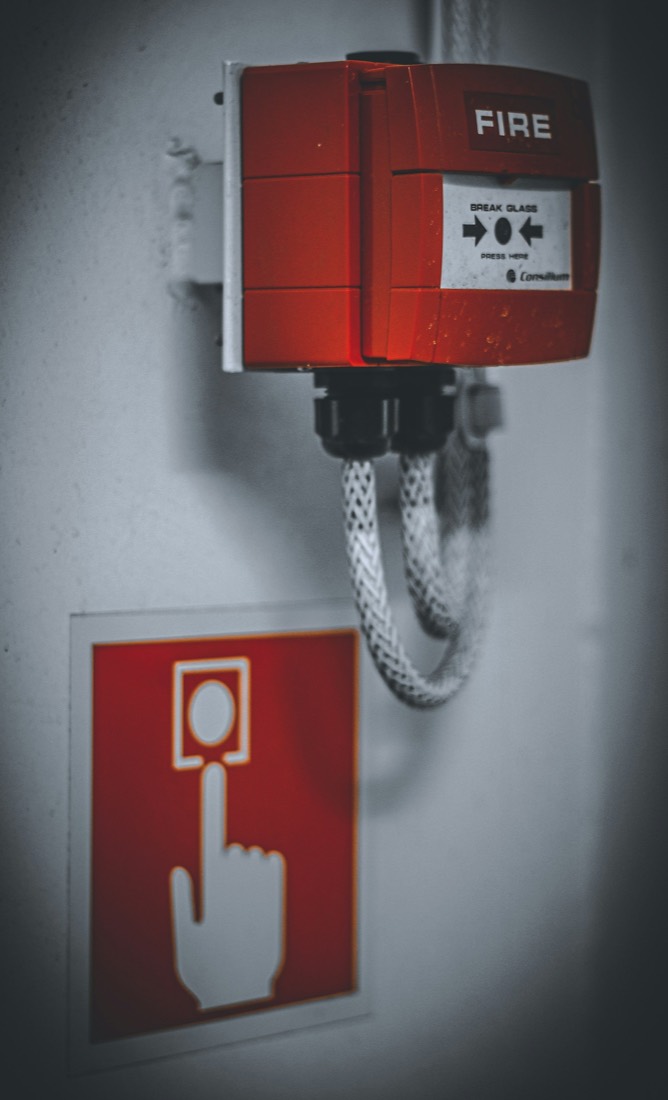
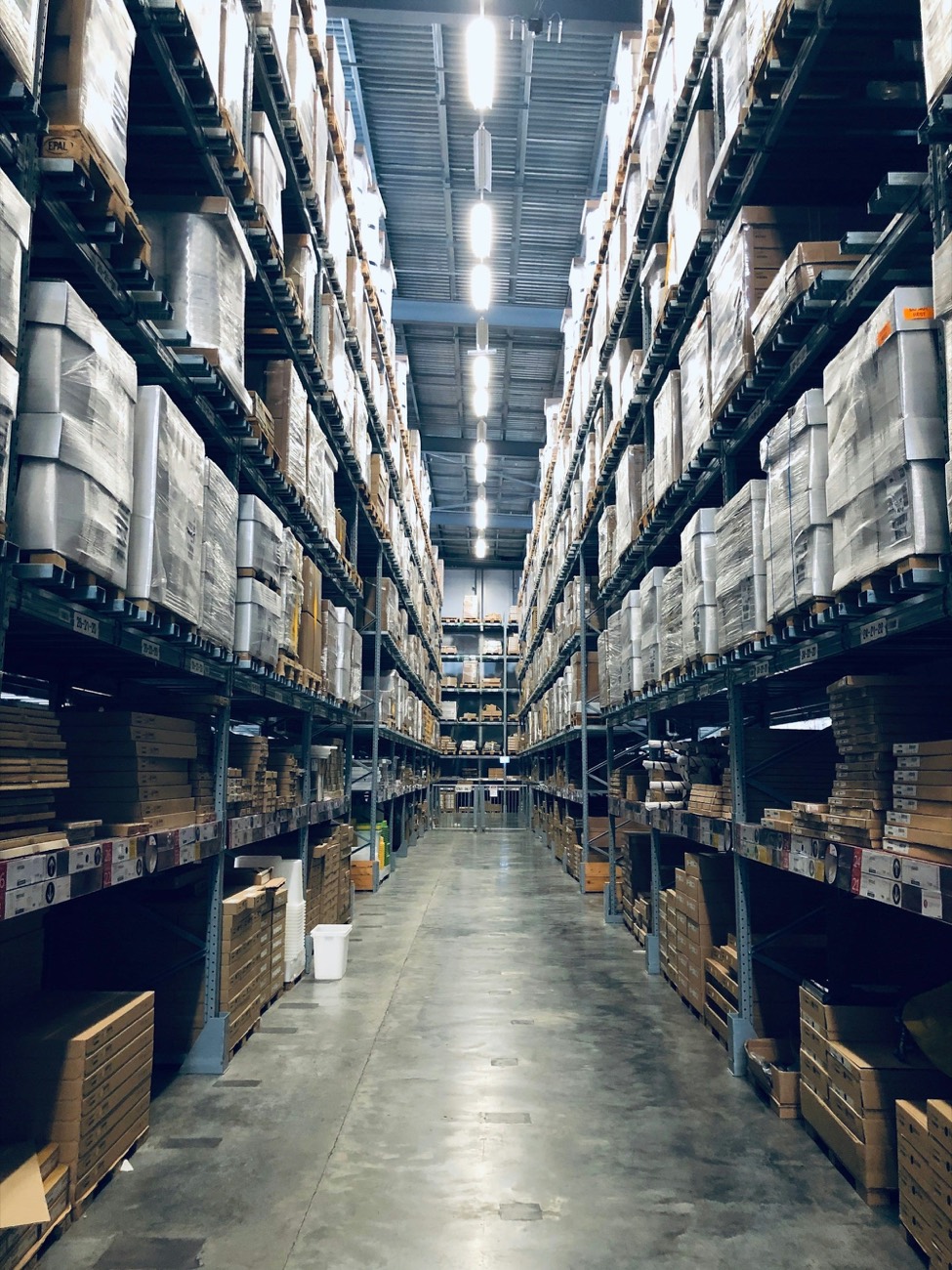
Fire alarm manual call point on a wall

Who signs what

Assessments are carried out by an accredited practitioner (fire safety), which we coordinate as part of the program. The owner signs the statement. Nobody can sign that liability away on your behalf, and anyone offering to should worry you.

Straight answers to the questions we get

Asked in good faith by people who've never had to think about this before. Answered the same way.

"Can I install my own extinguisher?"

You can buy one. The type, size, position, mounting height, signage and service tag then all have to meet the standard, and it's assessed like any other measure. If it doesn't meet the standard it fails, and it's a defect to fix before a valid statement can be issued. Most people find it cheaper to have it done right once.

"Why does a first visit cost that much?"

Because it isn't a walk-through. Every fire safety asset on the premises is located, identified, photographed and recorded in an asset register, inspected against AS 1851, and written up in a maintenance record with any defects listed and quoted. That register is the baseline every later visit and every statement depends on. Our quotes itemise it, so you can see what you're paying for.

"Can you just sign it?"

No, and neither should anyone else. A statement signed for a building that hasn't been maintained is a false declaration by the owner. If a fire investigation or an insurer looks at it afterwards, the person who signed the cheap one is not the person who ends up in trouble.

"It's due next week, what do I do?"

Call us and be straight about where things stand. If the measures have been serviced, an assessment inside the window may be all you need. If they haven't, the honest path is a first visit now, defects fixed, then the statement, and a maintenance program so next year isn't a scramble.

"What if I don't lodge one?"

The statement has to be lodged with council and Fire and Rescue NSW every year and displayed in the building. Late or missing statements attract penalty notices that escalate each week, and council can issue fire safety orders. The liability is the owner's.

"I'm a small shop. Is there a minimum?"

Yes: a maintenance program, not a one-off. For a small premises that's usually an asset register on the first visit, the routine visits AS 1851 requires for the measures you actually have, and the annual assessment. We'll tell you plainly what that is before you commit to anything.

Fire safety equipment ready for service work

What you get after a first visit

An asset register of everything on site, a maintenance record showing what passed and what didn't, an itemised quote for any defects, and a schedule for the year. All in writing.

What a first visit includes

We treat the first visit as building your site's fire safety baseline. It's the part that makes everything after it cheaper and quicker.

Asset register

Every extinguisher, blanket, exit light, hydrant, door, panel and detector: where it is, its tag, when it was last tested, and a photo.

Inspection to AS 1851

Each asset checked against its standard and recorded pass or fail, individually, so you know which extinguisher failed and where it is.

Maintenance record and defect quote

A written record for your file, plus a priced quote for anything that needs fixing. No surprises later.

A schedule for the year

The routine visits your measures actually require, timed so your annual assessment lands inside its window.

Request a quote Free compliance checklist

Want it done properly, once?

Tell us what the building is and where things stand. We'll tell you plainly what it needs, and what it doesn't.

Request a quote Call 0426 179 192